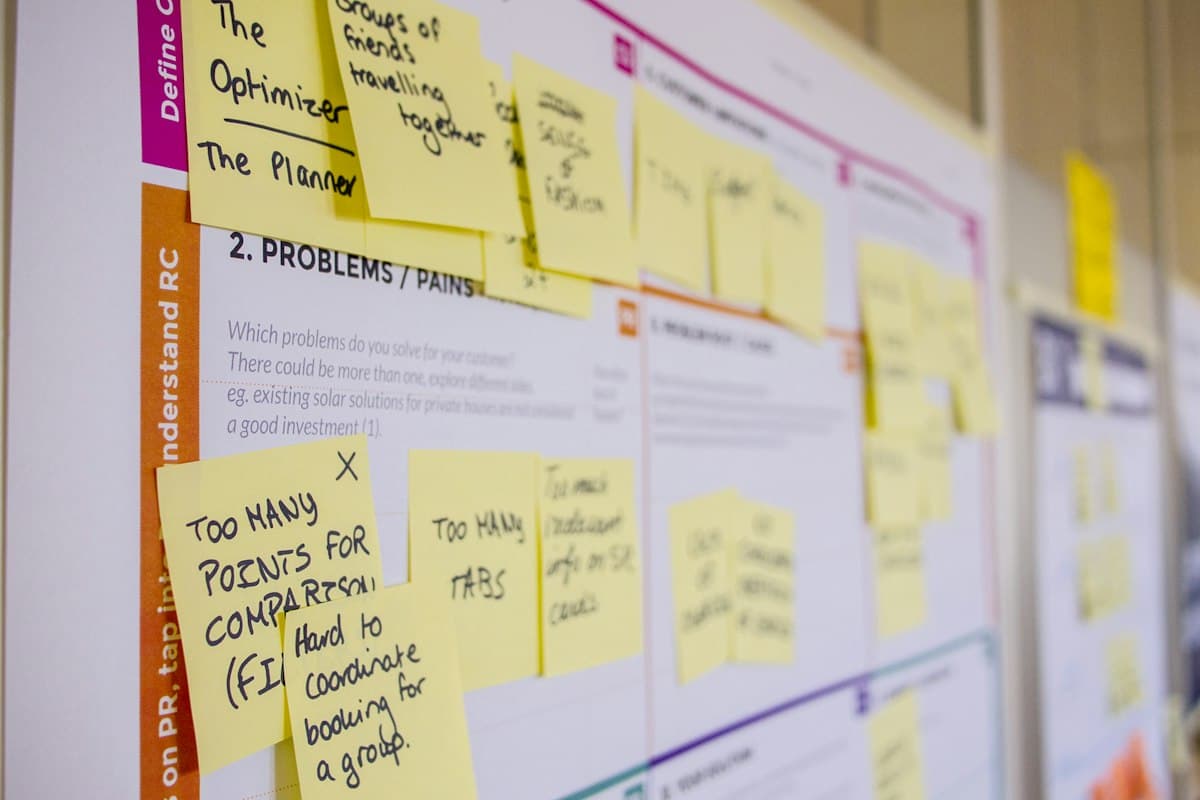


A business model explains how a company creates value for customers, delivers that value, and earns enough revenue to sustain its operations. It connects the product, customer, revenue strategy, and cost structure into one business system.
1. Identify the target customer need
The starting point is the customer. A founder needs to understand who the product serves, what problem those customers face, and why they would choose the proposed solution over existing alternatives. Without a clear customer need, even a technically impressive product may struggle to find demand.
2. Define a clear value proposition
The next element is the value proposition. This describes the benefit customers receive and why the offering matters to them. A value proposition may be based on convenience, affordability, speed, reliability, specialization, or another meaningful advantage.
3. Choose effective distribution channels
The business must also decide how to reach customers. Distribution channels, partnerships, direct sales, digital platforms, and other methods can influence both the customer experience and the company's costs.
4. Structure sustainable revenue streams
Revenue is another essential component. Some companies earn through subscriptions, while others use direct sales, transaction fees, licensing, commissions, or service contracts. The appropriate approach depends on the product and how customers prefer to pay.
5. Balance unit economics and evolution
Costs must be considered alongside revenue. A business can generate sales but still struggle if the cost of delivering the product, acquiring customers, or supporting operations is too high.
A business model should evolve as the company learns. Early assumptions may change after customer interviews, product testing, or actual sales. Founders should remain willing to adjust pricing, distribution, customer segments, or other elements when evidence indicates that a different approach may work better.